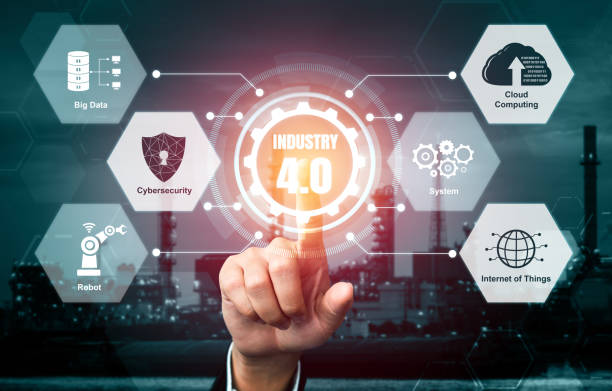
Industry 4.0 refers to the fourth industrial revolution, which combines advanced production techniques with smart technological operations integrated across assets, people, and organizations. This paradigm represents a significant shift in the way the lifecycle of product production and delivery is managed and controlled.
Manufacturers are increasingly integrating new technologies into their production facilities, including the Internet, cloud computing, and machine learning. These smart factories are equipped with advanced software, sensors, robotics, and ERP systems that collect and process data from production operations and supply chains.
Principles of Industry 4.0
The Industry 4.0 framework is based on several key principles:
- Interoperability: All factory systems and elements, including third-party systems, must communicate seamlessly.
- Decentralization: Each cyber-physical element must be able to make autonomous decisions through sub-process design.
- Assistance: Systems should support humans in tasks that are dangerous, tiring, or unpleasant.
- Real-time analytics: Systems must collect and analyze large amounts of data to optimize processes—this is now commonly referred to as Big Data.
- Virtualization: Digital models of industrial processes are created to mirror the physical factory.
- Service orientation: New business models transform value into services for clients.
- Scalability: Systems must adapt to evolving technical and business requirements at any time.
PDP Flow (Physical to Digital to Physical)
Digital integration enables continuous cycles of information and actions between physical and digital environments, known as the PDP flow:
- Physical to Digital: Sensors and advanced software capture information, creating a digital record.
- Digital to Digital: Data is shared across analytics platforms and AI systems.
- Digital to Physical: Algorithms translate digital decisions into actions in the physical environment.
Why Industry 4.0 Matters
Industry 4.0 impacts all industries, sectors, and society, offering key benefits:
- Direct communication between clients and organizations
- Increased productivity
- Better resource management
- Optimized decision-making based on real data
- Reduced manufacturing time
- Lower defect rates
The Impact of Industry 4.0
Industry 4.0 affects multiple levels:
- Individuals: the fourth industrial revolution can mean a change for each individual; for some employees it will change the work they do, for others it will change how they do their work, while for customers it will mean greater personalization in the products and services they receive.
- Organizations: Helps reduce costs and operational risks.
- Ecosystems: Impacts all ecosystem participants, including clients, suppliers, and investors.
STT Systems in Industry 4.0
At STT Systems, we provide tailored solutions for companies seeking smart, automated monitoring and manufacturing processes. We focus on two main areas within Industry 4.0: Computer Vision and Product Configurators.
Machine vision
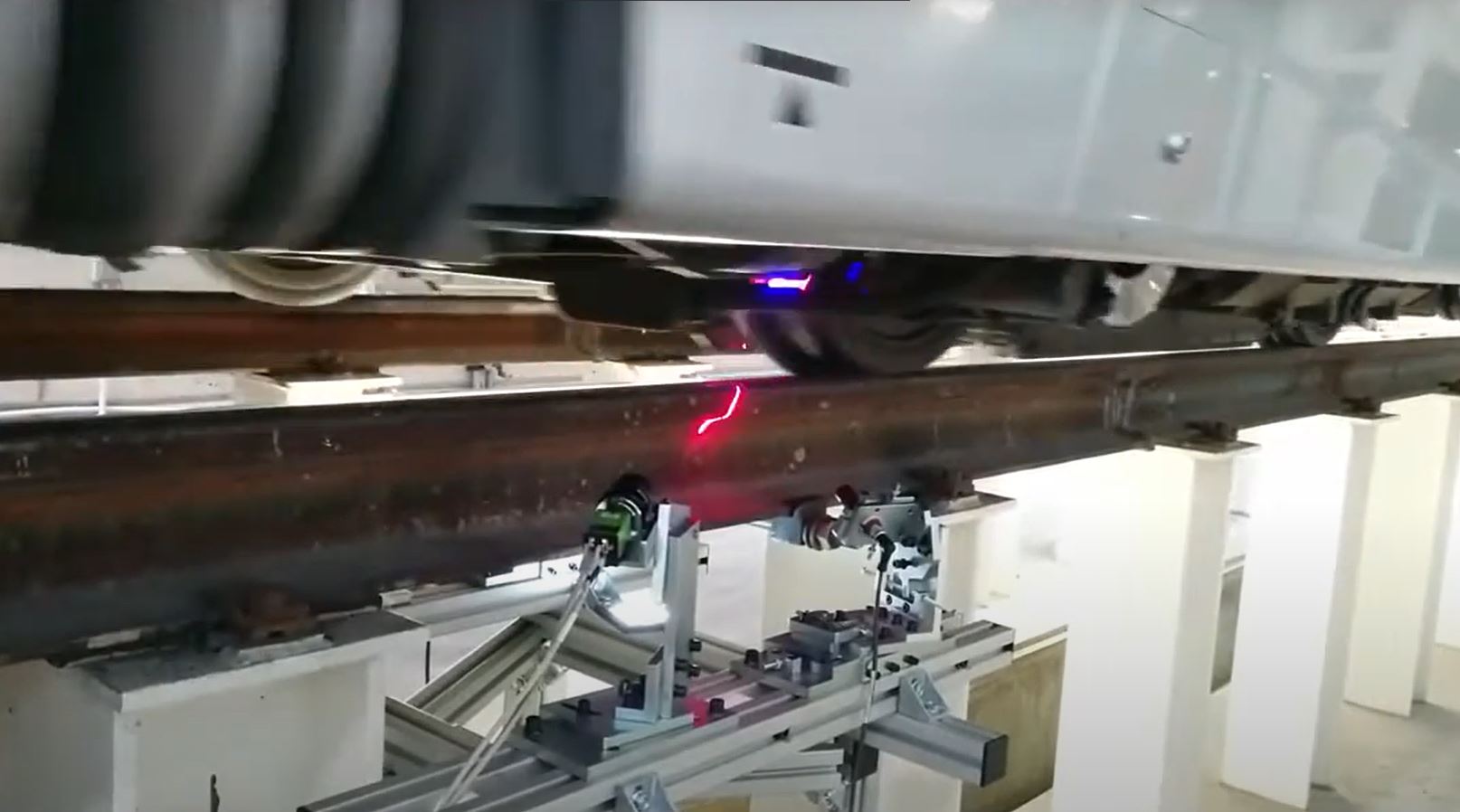
STT develops proprietary technologies and methods for automated inspection and analysis in multiple applications based on image processing. Our computer vision solutions include:
- Pattern recognition (correlation, edge, shape descriptors, etc.)
- OCR (Optical Character Recognition)
- SVM classification (Support Vector Machines)
- Neural networks
- Stereo vision
- Color inspection
- Spot analysis
- Edge processing
- Laser triangulation
- Subpixel contour extraction
- MLP classifiers (multi-layer perceptron)
- GMM classifiers (Gaussian mixture models)
We have extensive experience across industries such as automotive, rail, robotics, paper, home appliances, packaging, and plastics.
Example: Volkswagen Group – dynamic 3D measurement of empty automotive frames.
Product Configurators
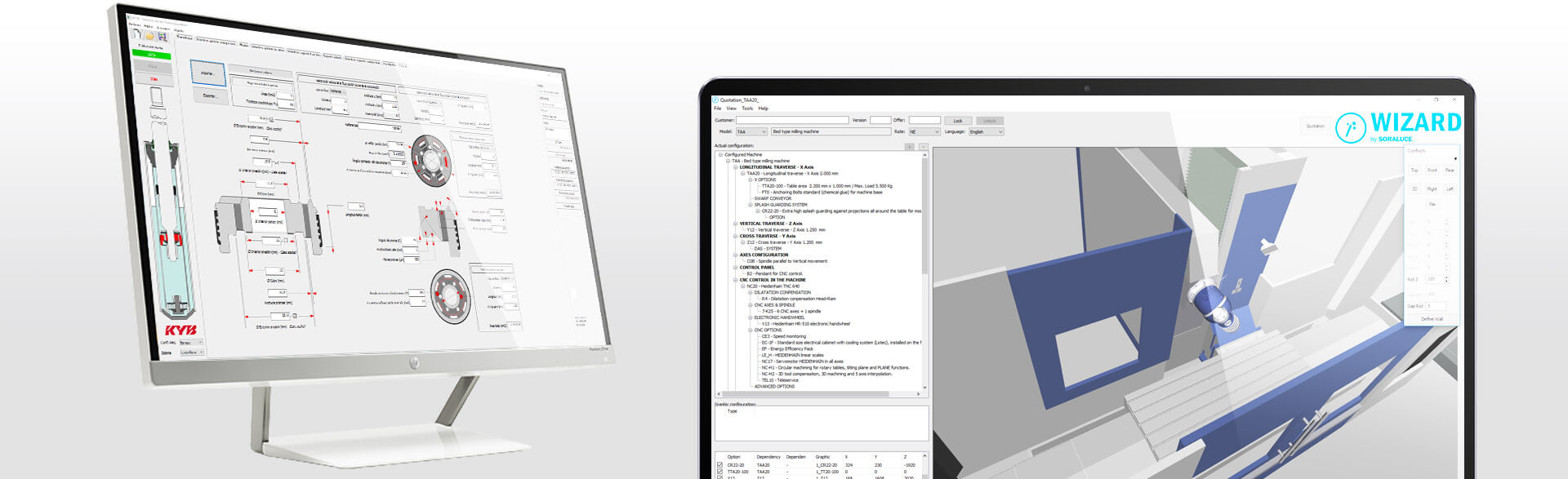
STT Systems’ product configurators are highly customized software solutions that allow companies to interactively define all variants of a given product. They can include 3D visualizations, drawings, order forms, management sheets, and many other documents.
These systems can include:
Water Purifiers
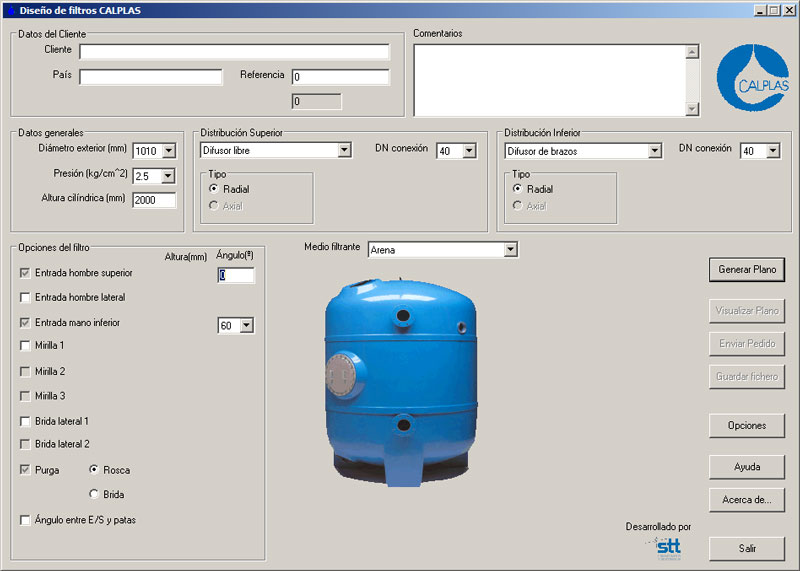
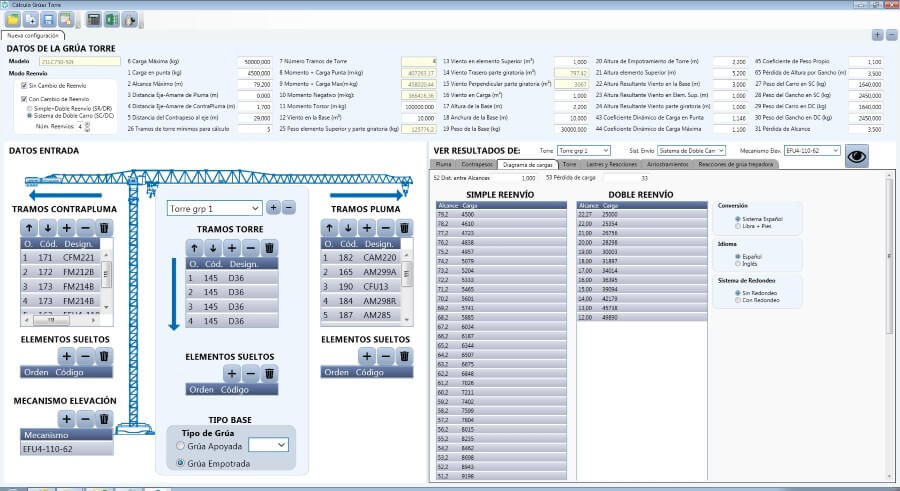
This engine is also used in other products, such as overhead cranes. In the latter case, the configuration engine can also be used from the manufacturer’s website, adding value to it.
Overhead Cranes