


Introduction: What is a Biomechanics Laboratory?
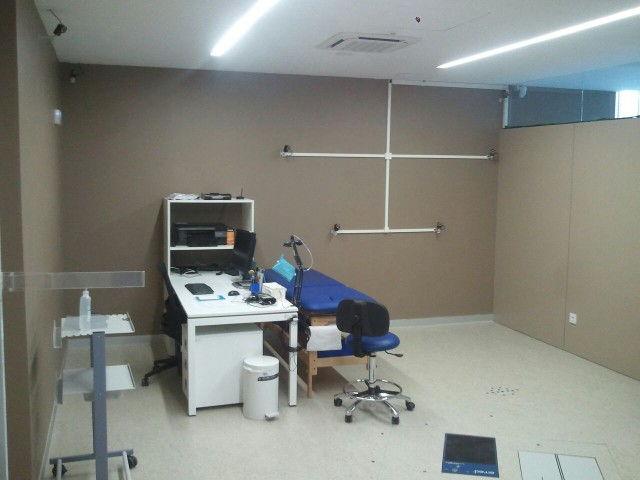
A Biomechanics Laboratory is a specialized space for assessing the functional state of the musculoskeletal system through advanced technology. In the case of Mutua Navarra, its 39.82-square-meter laboratory is designed to analyze the patient’s physical limitations, especially in those who have suffered a workplace accident or a common illness that prevents them from resuming their daily or professional activities as normal.
With equipment such as 3D motion capture, surface electromyography, and force and pressure platforms, a complete and objective picture of the patient’s physical condition can be obtained. This allows the medical and rehabilitation team to design personalized protocols, measure treatment effectiveness, and optimize recovery times.
Importance of the Biomechanics Laboratory in Recovery
The laboratory not only provides an objective evaluation of the patient’s condition but also offers crucial information to determine the next steps in treatment. Its main benefits include:
- Accurate measurement of mobility and functional limitations.
- Comparative analysis between the initial state and rehabilitation progress.
- Objective determination of treatment effectiveness.
- Reduced recovery times thanks to evidence-based protocols.
- Relapse prevention and better planning for return-to-work processes.
In short, it is a tool that supports patient recovery and safety, while also improving the overall quality of the clinical process.
Technology Used in the Biomechanics Laboratory at Mutua Navarra
One of the most outstanding aspects is the use of state-of-the-art equipment. The most relevant technologies include:
| Tecnología | Descripción |
|---|---|
| Captura de Movimiento 3D | Registra con precisión los movimientos del paciente en tres dimensiones, identificando patrones de movilidad y posibles compensaciones. |
| Electromiografía de superficie (EMG) | Mide la actividad eléctrica muscular para detectar desequilibrios, fatiga o compensaciones que afectan al rendimiento. |
| Plataforma de presiones | Analiza la distribución de cargas durante la marcha, la bipedestación o tareas específicas, útil en lesiones de miembro inferior. |
| Plataforma de fuerzas | Evalúa la fuerza generada en movimientos como saltos o desplazamientos, ayudando a valorar la capacidad funcional. |
| Dinamómetro | Mide la fuerza muscular localizada, esencial en la rehabilitación de lesiones articulares o musculares. |
| Equipos isocinéticos | Permiten trabajo muscular controlado a velocidad constante para rehabilitación segura y análisis del equilibrio muscular. |
| Sensores inerciales | Proporcionan datos de aceleración y rotación, facilitando el análisis de marcha, postura y estabilidad. |
Rehabilitation Protocols at Mutua Navarra
This technology is complemented with specific protocols adapted to each pathology, ensuring a more effective recovery. Some of the most frequent in Mutua Navarra’s laboratory include:
| Patología | Descripción |
|---|---|
| Esguince cervical | Evaluación de la movilidad del cuello y seguimiento del progreso del tratamiento. |
| Lumbalgia | Análisis de la postura y del movimiento lumbar para diseñar un programa de rehabilitación adecuado. |
| Lesiones de hombro (manguito rotador, dolor de hombro) | Evaluación de la movilidad y fuerza articular para restaurar la función. |
| Lesión meniscal | Análisis de la marcha y de la carga articular para definir el plan de recuperación. |
| Esguince de tobillo | Evaluación de la estabilidad y distribución de cargas para prevenir recaídas. |
| Síndrome del túnel carpiano | Evaluación de la función de la muñeca y la mano para un tratamiento más preciso. |
Benefits for Patients and Professionals
The incorporation of a Biomechanics Laboratory at Mutua Navarra provides benefits for both patients and healthcare professionals:
For Patients
- Faster and more effective recovery.
- Personalized treatments based on scientific evidence.
- Lower risk of relapses.
- Objective monitoring of progress.
For Professionals
- Objective data to support clinical decision-making.
- Greater accuracy in functional assessment.
- Ability to design more effective rehabilitation protocols.
- Tools to document and justify functional recovery.
Biomechanics and Return to Work at Mutua Navarra
In the field of occupational health, biomechanics plays a key role. Workers who have experienced an accident or a common illness may find it difficult to return to their duties. The Biomechanics Laboratory at Mutua Navarra allows:
- Assessment of the worker’s real functional capacities.
- Definition of necessary workplace adaptations.
- Ensuring a progressive and safe return to work.
This way, both worker health and company productivity are protected.
Scientific Evidence and Data-Based Protocols
One of the greatest strengths of biomechanics laboratories is their reliance on objective data. This makes it possible to:
- Validate the effectiveness of physiotherapy and rehabilitation treatments.
- Establish personalized protocols for each patient.
- Reduce subjectivity in clinical assessment.
- Support research in occupational and sports medicine.
Conclusion and Contact
The Biomechanics Laboratory at Mutua Navarra is an essential tool in modern rehabilitation. Its ability to objectively measure functional limitations, combined with advanced technology, accelerates recovery and ensures a safer return to work.
By integrating biomechanics into clinical and occupational practice, a more precise, data-driven, and evidence-based approach is achieved, benefiting both patients and healthcare professionals.
👉Want more information about our Biomechanics Laboratory? Get in touch with us and find out how we can help you in your recovery process.