


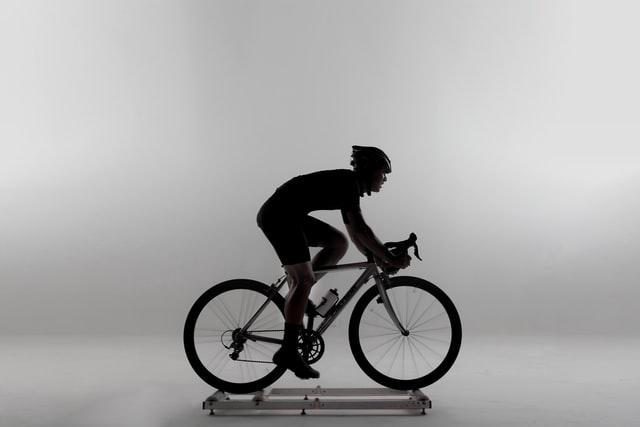
Biomechanics is the science that studies human movement. Biomechanical analysis is the study of a person’s movement. This study can be crucial for injury prevention and improving athletic performance. To obtain the results of a biomechanical analysis, it will be necessary to perform the specific motor activity to be analysed. The movement is then captured using different motion capture technologies such as video capture, optical marker capture, inertial capture or mechanical capture. Finally, the results are analysed and the data collected is applied according to the purpose of the study.
Why perform a biomechanical analysis?
As we discussed in one of our previous articles, there are two types of analysis, depending on the purpose for which they are used: sports analysis and clinical analysis. The former is designed to be adapted to any sport. The second, on the other hand, is more commonly used in the world of rehabilitation and neurological examination. In today’s article, we will focus on sports biomechanical analysis.
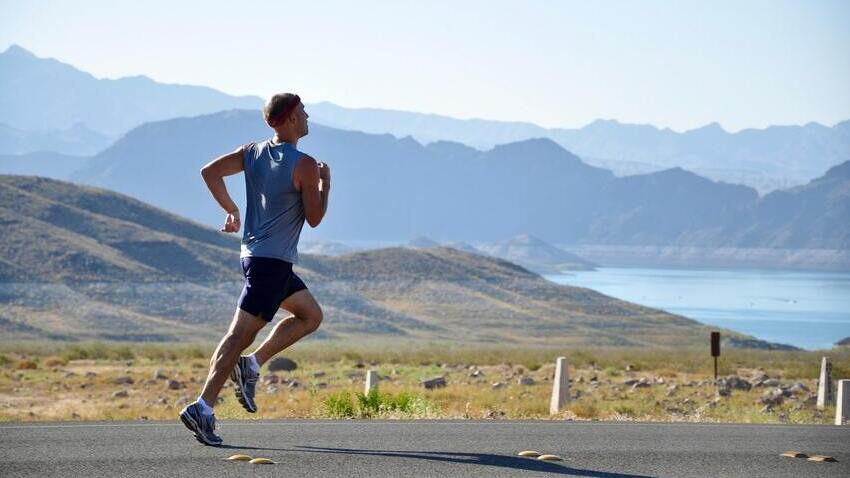
Sports biomechanical analysis
In short, sports biomechanical analysis studies human movement by analysing deficiencies in an athlete’s movements. The aim is to improve and optimise technique and make it safer so that the athlete can improve their performance.
Benefits of this analysis
There are many benefits to performing a sports biomechanical analysis:
- Reduced risk of injury and stress on the joints. When performing an exercise with an improper movement pattern, we can subject our body and joints to unnatural stress. Therefore, by working to improve these movements, we significantly reduce the possibility of injury and prolong our sporting life.
- Increased strength. By loading a joint using its most optimal strength curve, greater force will be produced for the same effort.
- Increased power (speed of force production). By combining the two previous points, we can produce fast and fluid human movement. We can use large joints and muscles to decelerate after producing a powerful movement.
- Optimisation of movement and energy conservation. By improving the ability to produce energy efficiently, movement and energy conservation are also optimised.
- Improved performance. All of the above points will result in an overall improvement in performance.
Discover our solutions for biomechanical analysis of runners
SEE MOREBiomechanical analysis of running technique and human gait
In running, unlike walking, there is no moment when both feet are on the ground, i.e. support is monopodal. From a biomechanical point of view, running is more similar to jumping than walking. Depending on the type of technique used, certain muscles will be used more than others. For this reason, the best technique for one athlete may not necessarily be the best for another. The ideal technique for each person will be the one that best suits their anatomical characteristics. If you need to change your running technique, you should always do so gradually and with the help of movement professionals.
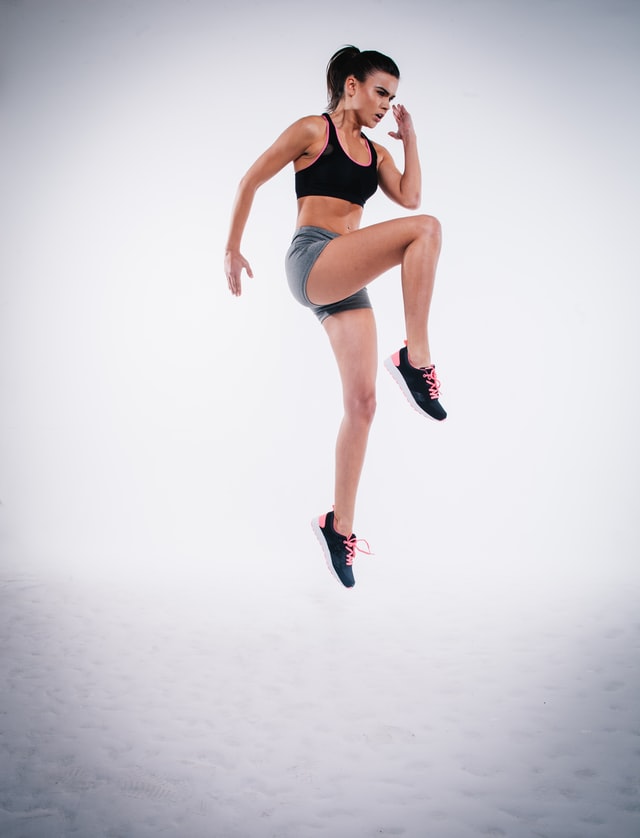
Both analyses are aimed at runners, both amateurs and experienced professionals. It is usually performed when a runner feels recurring discomfort or suffers injuries always on the same side of the body. These problems could be due to muscle imbalance, weakness or biomechanical dysfunction. Thanks to these analyses, the athlete’s body is observed throughout the entire running cycle. In this way, the possible causes of the problem can be detected. Once the movement has been captured, the results are analysed and the runner is informed of everything that has been found.
Conclusions
As you have seen in today’s article, this analysis can be applied to different purposes in the world of sport. Thanks to our extensive experience in the field of movement analysis and different types of movement capture, at STT Systems we always seek to improve performance and optimise the physical condition of professional athletes around the world. Browse our website and find out about the biomechanical analysis products we offer. Discover how we work with our clients to achieve their goals.
Until next time!
{ “@context”: “https://schema.org”, “@type”: “FAQPage”, “mainEntity”: [ { “@type”: “Question”, “name”: “¿Qué es y para qué sirve el análisis biomecánico?”, “acceptedAnswer”: { “@type”: “Answer”, “text”: “La biomecánica es la ciencia que estudia el movimiento humano. El análisis biomecánico es el estudio del movimiento de una persona. Este estudio puede ser crucial para la prevención de lesiones y para la mejora del rendimiento deportivo.” } } ] }