


What is dystonia, and why is it so difficult to diagnose? Dystonia is a neurological movement disorder characterized by involuntary, sustained or intermittent muscle contractions that cause repetitive movements, abnormal postures, and, in many cases, pain. Rather than being a single disease, dystonia encompasses a group of neurological syndromes. It can present in a focal, segmental, or generalized form, affecting anything from a single muscle group to the entire body.
This complex clinical picture varies greatly in its symptoms, from mild spasms in one hand to severe motor dysfunction throughout the body. As a result, diagnosing dystonia is a real challenge for healthcare professionals. Many patients go years without a clear diagnosis or are misdiagnosed with other conditions such as Parkinson’s disease or essential tremor. This is where motion capture technology using inertial sensors can make a real difference.

The clinical challenge: how to distinguish dystonia from other movement disorders
The clinical research team at Duke University School of Medicine, led by Dr. Noreen Bukhari-Parlakturk, was facing exactly this problem. Their goal was to accurately evaluate patients with complex neurological disorders, such as dystonia, and they needed a tool that could not only record movement but also help differentiate between subtle movement patterns specific to each condition.
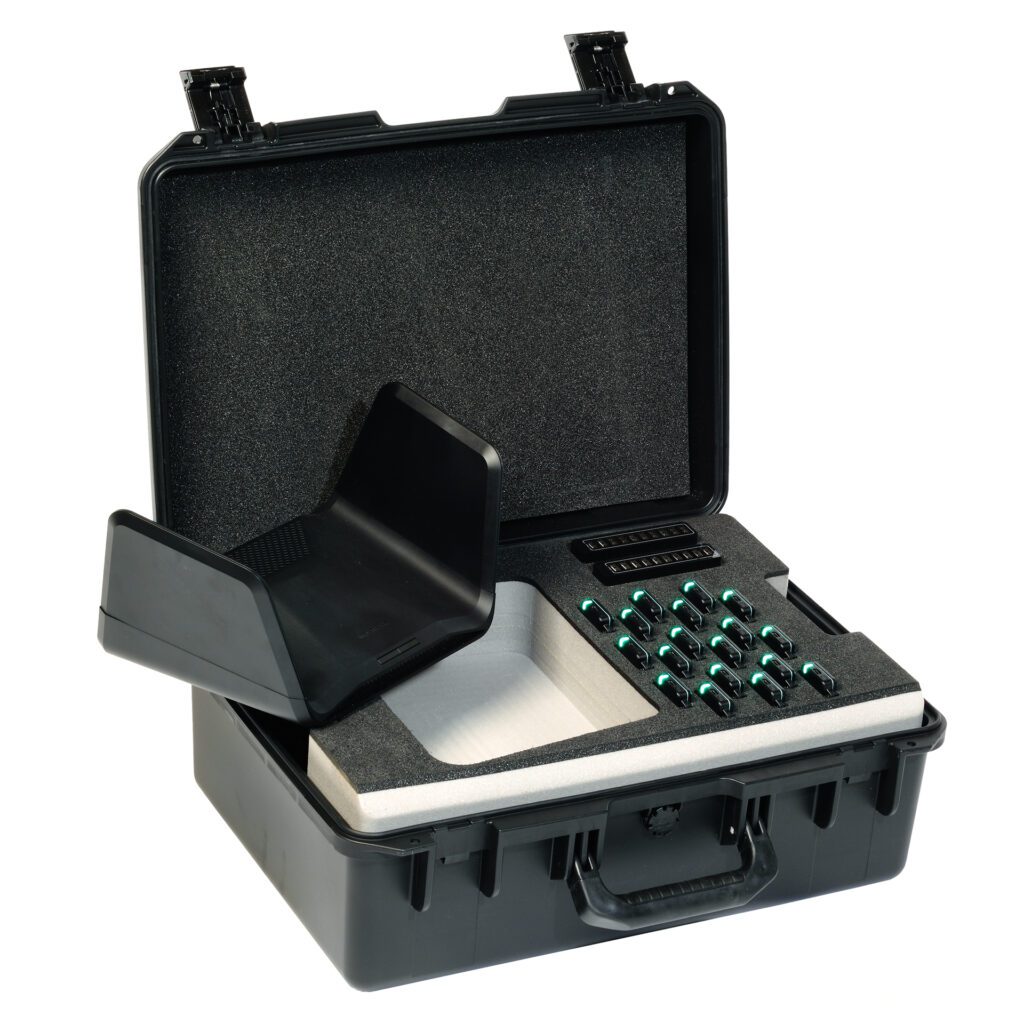
That’s when they integrated the iSEN system from STT Systems—an advanced biomechanical analysis solution based on inertial sensors. iSEN enabled them to objectively and reliably quantify patients’ movements.

How does iSEN help in the biomechanical analysis of dystonia?
iSEN is more than just a motion capture system. It is a clinical motion analysis tool that delivers objective, reproducible, and easy-to-interpret data, allowing healthcare professionals to precisely assess motor disturbances associated with dystonia.
Thanks to its implementation in Duke University’s clinical lab, the research team has been able to:
- Accurately differentiate patients with dystonia from those without the condition.
- Detect specific motor symptoms such as twisting, tremors, or spasms with high precision.
- Perform reliable intra-subject follow-ups—essential for tracking disease progression and treatment response.
- Easily integrate the data into their daily clinical workflow.
Moreover, the preliminary results have been so promising that the team is preparing a scientific publication to validate ISEN as an effective diagnostic tool in clinical settings.

Technology that changes lives
Dystonia remains a clinical challenge, but we now have tools that help us understand and manage it more effectively. The combination of clinical expertise and advanced technology—like the iSEN system with inertial sensors—is transforming how professionals address this neurological disorder.
The success story at Duke University shows that we can move toward more accurate diagnoses, shorten the patient’s diagnostic journey, and deliver more targeted treatments.
Are you a clinician, researcher or educator looking to take your movement analysis to the next level?
Discover how iSEN can transform your approach to assessing movement disorders, optimizing performance, and advancing research.
Request your personalized demo today and unlock the full potential of inertial biomechanics.