


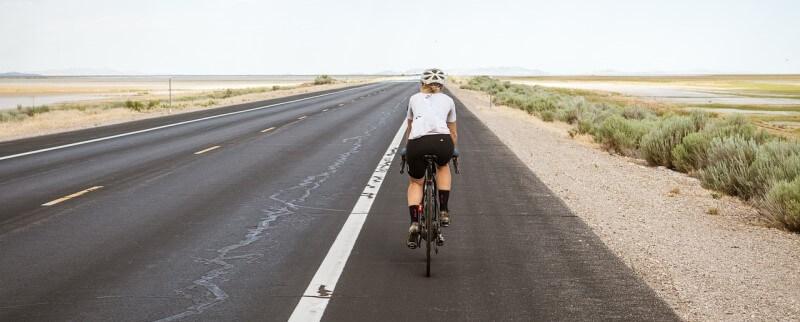
CYCLING BIOMECHANICS – Level 1 BIKE FITTING
Learn Professional Bike Fitting and Applied Cycling Biomechanics
In this online cycling biomechanics course, you will develop the skills to perform a professional bike fitting, understand complete biomechanical analysis protocols, and optimize both performance and injury prevention for cyclists. This program is aimed at bike fitters, sports professionals, physiotherapists, podiatrists, and cycling specialists who want to strengthen their biomechanical assessment and fitting capabilities.
Learning Objectives
Upon completion of this course, students will be able to:
- Understand the main bike fitting tools needed to perform a professional biomechanical cycling assessment.
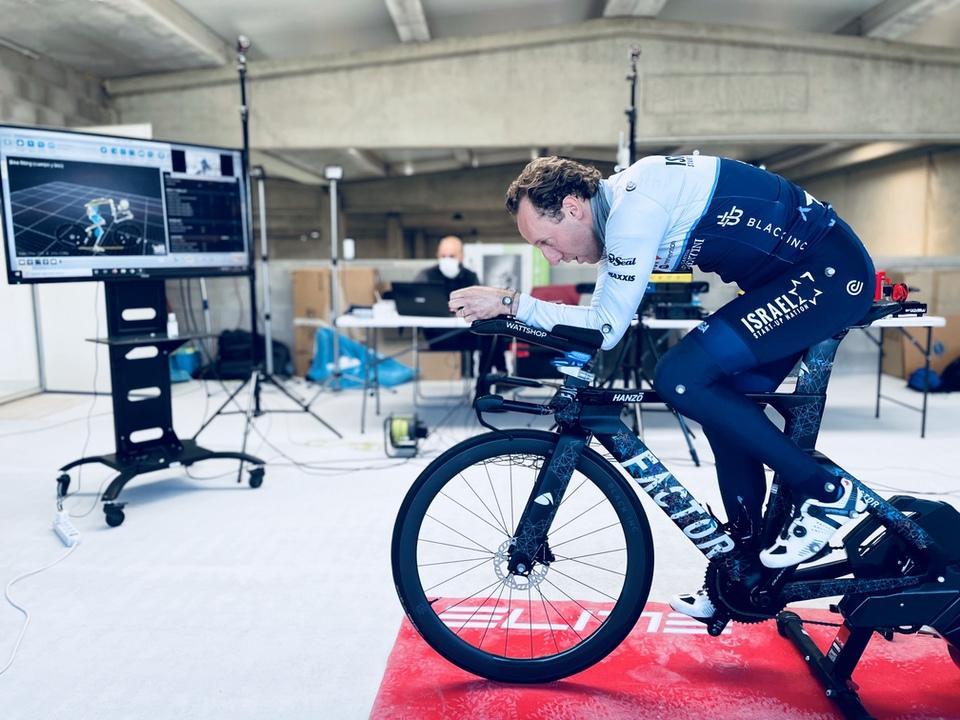
- Master the phases of a complete biomechanical assessment, following our 3DMA kinematic analysis and motion capture protocol.
- Correctly placing 3DMA markers, a fundamental step in obtaining accurate movement measurements and improving the quality of the analysis.
- Identifying optimal movement patterns and normative adjustment ranges for mountain, road and triathlon bikes, key to cycling ergonomics.
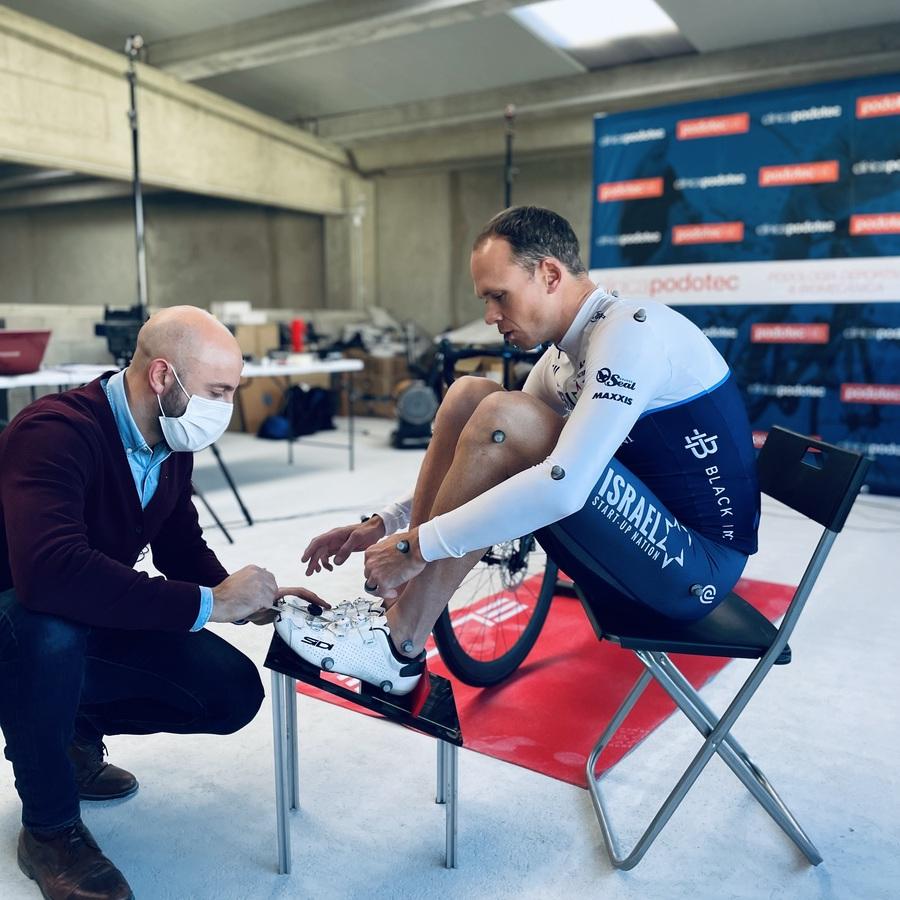
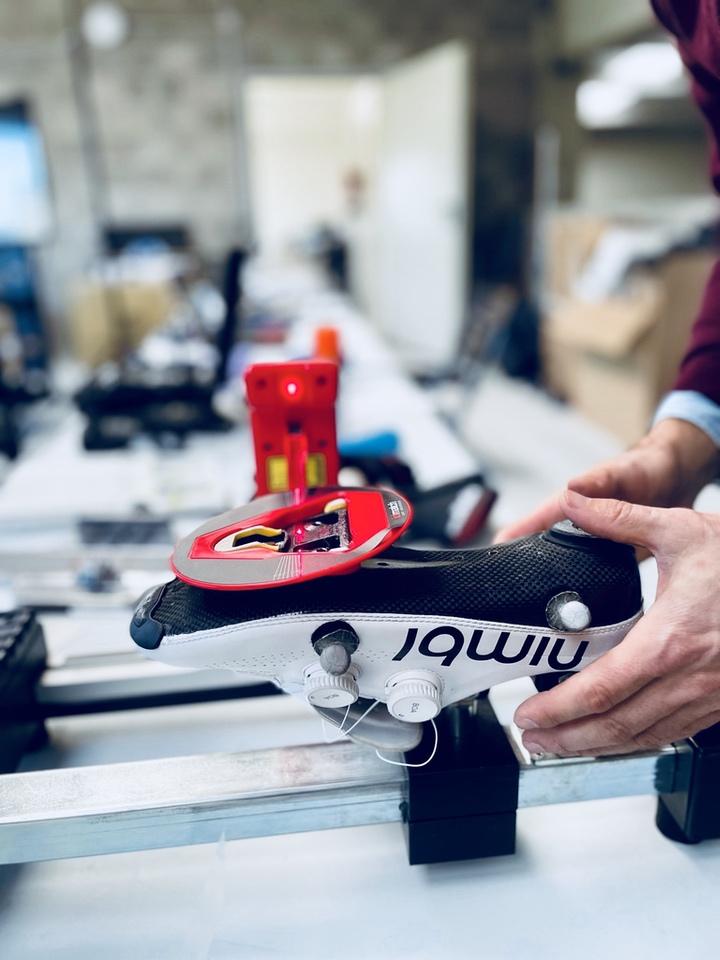
- Adjust essential components: learn how to position cleats, saddles and handlebars correctly according to the cyclist’s morphology and biomechanics.
- Understand the most common pathologies in cyclists, as well as their biomechanical causes and their relationship to performance and pain.
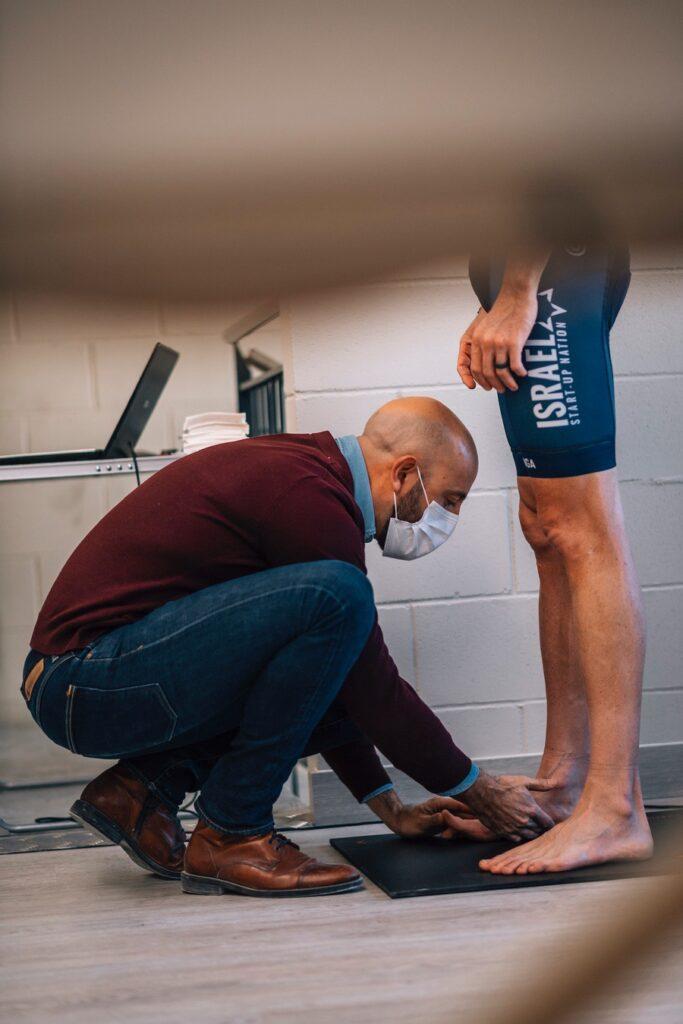
- Analyse the function of the foot in pedalling, understanding its behaviour, its influence on force transmission and its role in stability.
About the Instructor
Gerardo Lozano, a graduate in Podiatry from the University of Extremadura, leads the Podotec Clinic and brings a solid track record in sports biomechanics—especially in the cycling ecosystem—where he has supported top-tier WorldTour athletes and collaborated with teams such as ICA, Team Manzana Postobón, and Caja Rural Seguros RGA, among others; alongside his day-to-day clinical practice, he activates his expertise in the academic arena, teaching applied cycling biomechanics at leading institutions such as Miguel Hernández University in Elche, UCAM Murcia, the Catholic University of Valencia San Vicente Mártir, and La Salle University in Madrid.
Learning Methodology and Evaluation
- The course is based on theoretical video lessons.
- Two real case studies will be used to support the theoretical basis.
- Several tests will be carried out throughout the course to consolidate knowledge.
Practical Information
- Duration: 2.5 hours
- Format: Online
- Prerequisites: Beginner or intermediate level in bike fitting and basic knowledge of anatomy.
- Certified by: STT Systems
- Registration and payment: Link to the course
Course content
Below is the complete programme and the modules that make up the training course:
Course content
Below is the complete programme and the modules that make up the training course:
1. Introduction to the course
- Course summary and details
- Welcome!
- Evolution of biomechanical studies
- Tools for bike fitting
- Bicycles and materials
- Test: Exam 1 (10 xp)
2. Work protocol
- Analysis protocol
- Size selection
- Final report
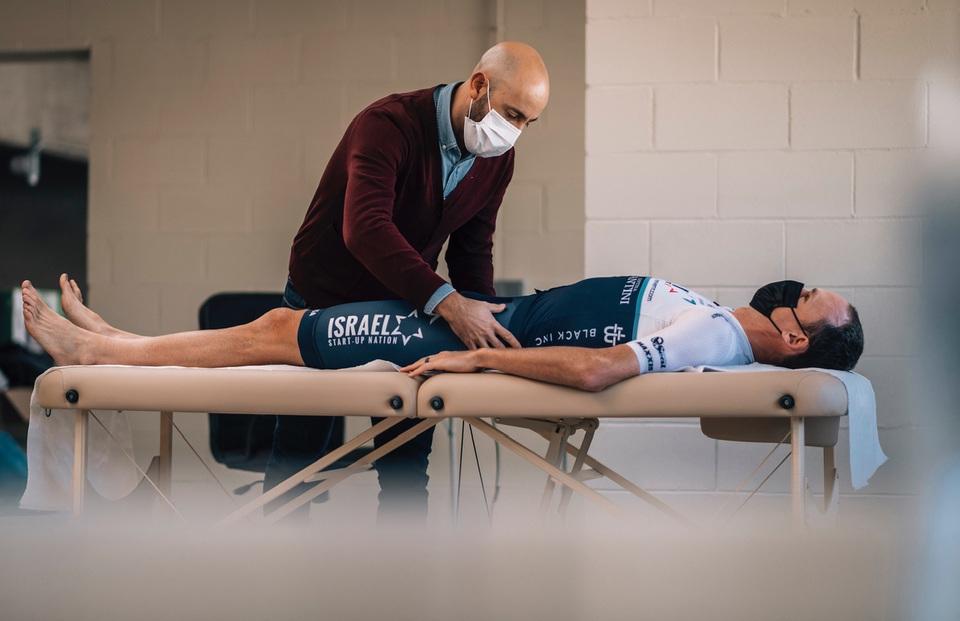
3. Physical examination tests
On the examination table
- Hamstring flexibility test
- Hip flexion test
- Hip rotation test
Standing (on feet)
- Standing lumbar flexion test
- Standing flexion test
- Position of the iliac bones and pelvis
- Assessment of the pelvis
- Dorsiflexion test of the ankle
- Functional foot stability test
- Test: Exam 3 (10 xp)
4. Kinematic analysis
- Why study the foot?
- The ankle
- KOPs (Knee Over Pedal Spindle): knee vs foot
- The torso and back
- The hips
- The elbow
5. Biomechanical adjustment
- Adjustment protocol
- The cleats
6. Case studies
Case Study I
- Placement of markers
- Initial assessment
- Physical examination
- Cleat adjustment
- Biomechanical evaluation
Case Study II
- Physical examination
- Placement of markers
- First capture and assessment
- Cleat adjustment
- Bicycle adjustment and assessment
7. Pathologies and pain
- The foot
- Why study the foot?
- Sacroiliac area and lumbar region
- Cervical and dorsal areas
- Hands
- Prostate area
8. El pie del ciclista
- Why study the foot?
- Types of feet
- Forefoot imbalances
- Characteristics of the cyclist’s foot
- Forefoot varus
- Forefoot valgus
- Statistics
- Wedges
9. Closing remarks
- Closing remarks and acknowledgements
Enroll now and start transforming the way you analyze and fit cyclists today!
Ready to Take Your Skills to the Next Level? Don’t wait to upgrade your expertise! This course is your chance to learn professional bike fitting and cutting-edge cycling biomechanics from an industry expert. Whether you are a physiotherapist, sports podiatrist, or bike fitter, this course will give you the tools and confidence to improve performance, prevent injuries, and offer top-level service to your cyclists.