


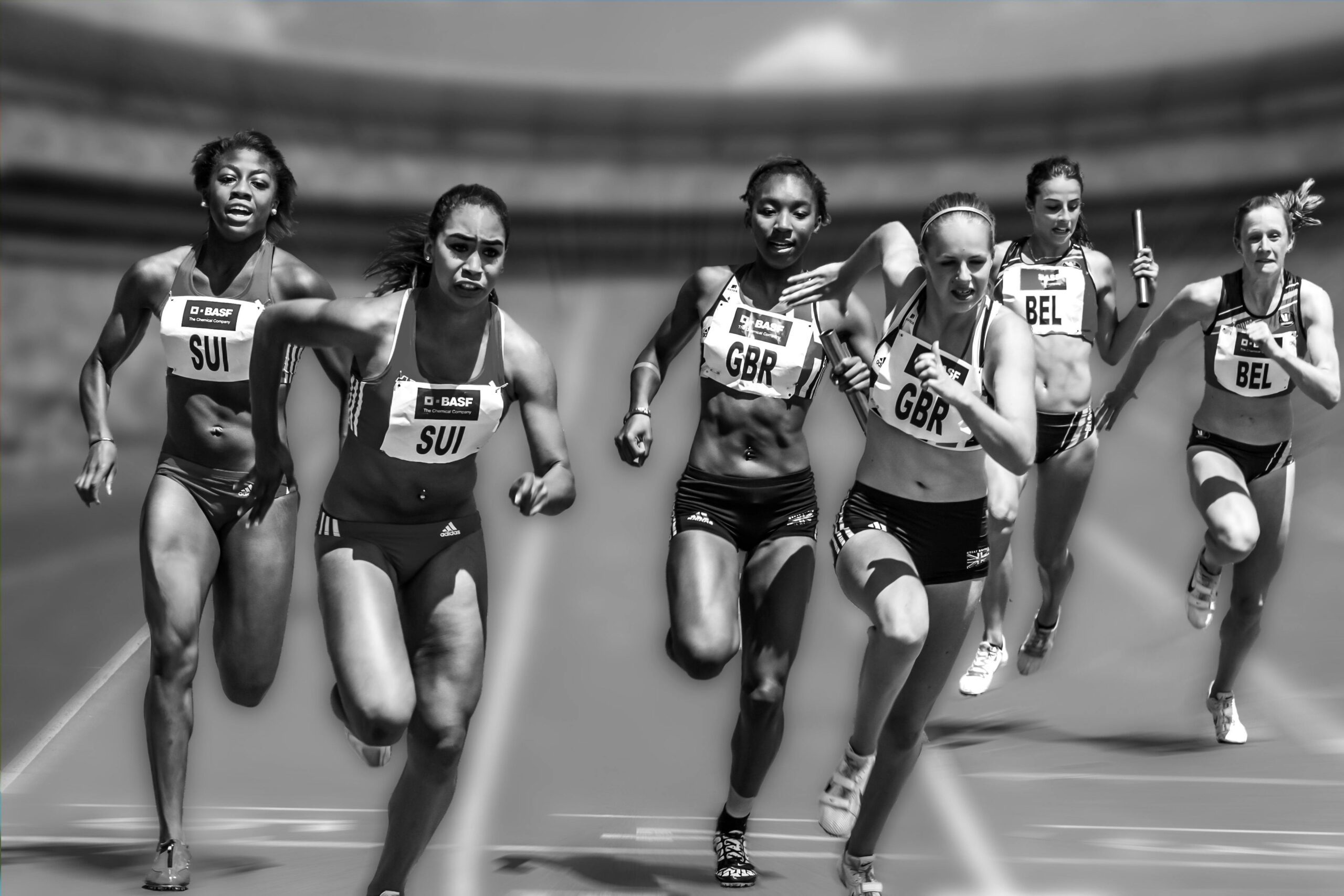
Running biomechanics is much more than just a buzzword in the world of running. Every stride, every foot strike and every joint movement has a direct impact on performance, efficiency and, above all, injury prevention. Although there are numerous exercises and expert recommendations for improving running technique, many runners and coaches face a common challenge: they don’t know whether they are actually applying these techniques correctly. Intuition and visual observation have their limits, and this is where technology makes the difference.
With 3DMA motion capture software and STT Systems’ optical systems, it is possible to transform subjective observations into objective data and take running technique, injury prevention and training optimisation to a whole new level. This post explores how to integrate recommended exercises with advanced biomechanical analysis, offering a comprehensive approach that improves technique, protects the runner’s health and maximises performance.
What is running biomechanics?
Biomechanics applied to running studies how muscles, bones and joints interact during movement. Understanding these principles allows for optimising efficiency, improving speed and minimising the risk of injury.
The main variables to analyse include:
- Stride rate: number of steps per minute. An appropriate stride rate reduces the impact on the joints and improves running efficiency.
- Stride length: a balance between speed and running economy. A stride that is too long increases the risk of injury.
- Joint angles: the knee, hip and ankle should move within optimal ranges to prevent strain.
- Ground contact time: less time means better running economy; more time can lead to premature fatigue.
Although these concepts are well known, measuring and analysing them objectively requires advanced technology such as STT Systems’ 3DMA, which is capable of recording every movement with three-dimensional precision and providing a comprehensive overview of running technique.
The challenges of improving running technique
Many runners perform classic exercises to improve their technique: skipping, dynamic lunges or core strengthening. But simply knowing these exercises does not guarantee results.
The main challenges include:
- Measuring the actual effectiveness of the exercises: observing the runner or using videos may not be sufficient to identify misalignments or overloading.
- Personalised biomechanics: what works for one runner may not be suitable for another.
- Risk of injury: without a thorough analysis, it is easy to put too much strain on joints and muscles, leading to problems such as tendonitis, plantar fasciitis or knee pain.
This is where 3DMA enables recommended exercises to be converted into measurable results, tailoring each plan to the runner’s unique biomechanics.
How 3DMA transforms running technique
3DMA is software specialising in the biomechanical analysis of runners, providing complete control over every aspect of movement. Its main features include:
| Functionality | Description |
|---|---|
| Precise recording of biomechanical movements | Captures the position of joints, feet, the torso and stride length in 3D. |
| Measurement of angles and body posture | Analyses each phase of the stride, detecting misalignments and inefficient movements. |
| Cadence and stride length analysis | Enables technique optimisation and prevents premature fatigue. |
| Real-time feedback | Coaches and runners can adjust technique during the session. |
| Training customisation | The data enables the design of personalised plans that maximise performance and minimise risks. |
Additionally, the optical systems provide:
| Functionality | Description |
|---|---|
| Accurate foot strike analysis | Provides detailed information to optimise technique and prevent injuries. |
| Posture correction | Identifies deviations in real time to improve movement efficiency. |
| Stride improvement | Optimises stride length, frequency and force, reducing fatigue and improving endurance. |
| Injury prevention | Detects risk factors before they become problems. |
| Real-time monitoring | Enables the design of personalised programmes based on objective and dynamic data. |
Objective data to personalise your training
Training without accurate data is like sailing blind. The difference between training ‘by feel’ and training with objective information is huge:
- Identify imbalances and weaknesses before they lead to injuries.
- Adjust your technique, choice of footwear or training intensity based on specific metrics.
- It generates a measurable record of progress, allowing for comparisons before and after each intervention.
For example, if a runner performs hip-strengthening exercises, 3DMA can confirm whether knee stability and alignment have actually improved, something that traditional observation cannot determine.
Recommended exercises and their assessment using 3DMA
According to physiotherapists and running experts, the most effective exercises include:
- Skipping: improves knee lift and coordination.
- Dynamic lunges: strengthen the legs and core, improving running posture.
- Core and stability work: key to maintaining hip and spinal alignment.
- Glute and abductor strengthening: prevents knee misalignment.
This system makes it possible to measure the effectiveness of these exercises in real time, adjusting intensity, technique and frequency based on precise results, thereby ensuring objective and sustainable improvements.
Performance optimisation
Beyond preventing injuries, biomechanics and movement analysis maximise efficiency and performance:
- Adjusting stride length and cadence to increase speed without increasing effort.
- Better coordination between arms and legs to optimise energy.
- Identifying fatigue points and adapting training to maintain consistent performance.
Training using objective metrics enables you to run better, more efficiently and with fewer risks, ensuring that every training session really counts.
Injury prevention with biomechanical data
Prevention is one of the greatest benefits of our system:
- Detects harmful movement patterns before symptoms appear.
- Identifies strain on key joints such as the knees, ankles and hips.
- Adjusts technique and strength exercises to reduce risks, increasing the runner’s longevity.
A safer run translates into more kilometres, greater consistency and more long-term achievements.
Integration with professionals and clinics
Biomechanical analysis is not just for elite athletes. Clinics, physiotherapists and coaches can:
- Guide your clients with objective data.
- Produce clear and comparable reports to illustrate progress.
- Tailor prevention and training programmes, ensuring measurable results.
3DMA becomes an essential partner for professionals seeking to combine science and practice, offering a comprehensive overview of each runner’s technique and biomechanics.
Carrera sostenible y duradera
Investing in biomechanical analysis is investing in your long-term running career. Fewer injuries, optimised technique and personalised training mean:
- The greatest number of kilometres travelled without interruption.
- Better performance in every session.
- A sustainable approach that allows you to enjoy running for years to come, safely and efficiently.
Running biomechanics: data, technique and performance with 3DMA by STT Systems
Improving running biomechanics isn’t just about doing the right exercises. It’s about integrating technique, knowledge and objective data to achieve safe and sustained performance. With 3DMA, every runner can:
- Analyse their technique in detail.
- Prevent injuries before they occur.
- Tailor their training to reach their full potential.
- Optimise cadence, stride length and posture to achieve maximum efficiency.
Don’t let intuition limit your results. Harness the power of advanced motion capture to transform the way you train, prevent injuries and improve your running performance. Discover how 3DMA can make a difference and take your running to the next level.