


One of the most important aspects of enjoying cycling, avoiding injury and improving performance is knowing how to adjust the saddle correctly. A bad saddle position can cause anything from minor discomfort to chronic back, knee or neck problems. So, if you are wondering what is the correct saddle height, how to calculate the backlash or how should be the distance between saddle and handlebars, here we explain it step by step.
From STT Systems, a company specialized in biomechanical analysis technology for cycling, we recommend a professional biomechanical study for an accurate and personalized adjustment. However, if you want to do it on your own, here are some practical tips to adjust the saddle of your bike properly and safely.
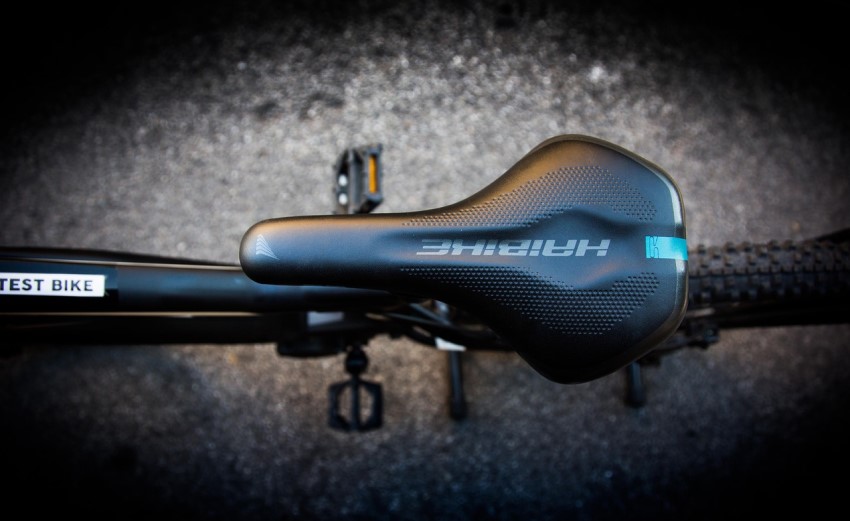
Why is it important to adjust the saddle correctly?
Adjusting the saddle correctly is not only a question of comfort, but also of health and performance. A poor fit can lead to:
- Lower back pain.
- Overloaded knees.
- Discomfort in the perineal area.
- Numbness in hands and arms.
- Premature muscle fatigue.
In addition, poor cycling posture reduces pedalling efficiency and limits your performance, whether you are an amateur or professional cyclist. That’s why it’s essential to know how to adjust your bike saddle to your specific measurements and needs.
What is the correct bicycle saddle height?
The most reliable way to calculate saddle height is from your inseam measurement. To do this correctly:
- Stand barefoot or in the shoes you wear when pedaling.
- Stand upright against a wall, with your legs together. Measure the distance from the ground to the point where the saddle rests (perineal area).
- Multiply that measurement in centimeters by 0.885. Example: If your crotch measures 80 cm, the formula would be: 80 cm x 0.885 = 70.8 cm. This is the distance between the bottom bracket (center of the pedals) and the center of the saddle.
This method provides a fairly accurate initial fit, although ideally it should be fine-tuned with the help of biomechanical analysis software such as STT Systems’ 2DMA, which evaluates the cyclist’s actual movement in real time to obtain the best possible fit.
How do you know if the saddle is forward or backward?
The horizontal position of the saddle, also known as saddle setback, is another key factor. To adjust it:
- Place the bike on a roller or stationary stand.
- Sit with your hands on the handlebars and your feet on the pedals.
- Place a plumb line from the kneecap (knee bone) down. If the plumb line falls just above the pedal axle, the backstroke is correct:
- If it falls in front, the saddle is too far forward.
- If it falls to the rear, it is too far back.
Adjusting the setback is essential to avoid strain on the knees and to distribute the weight correctly on the bike.
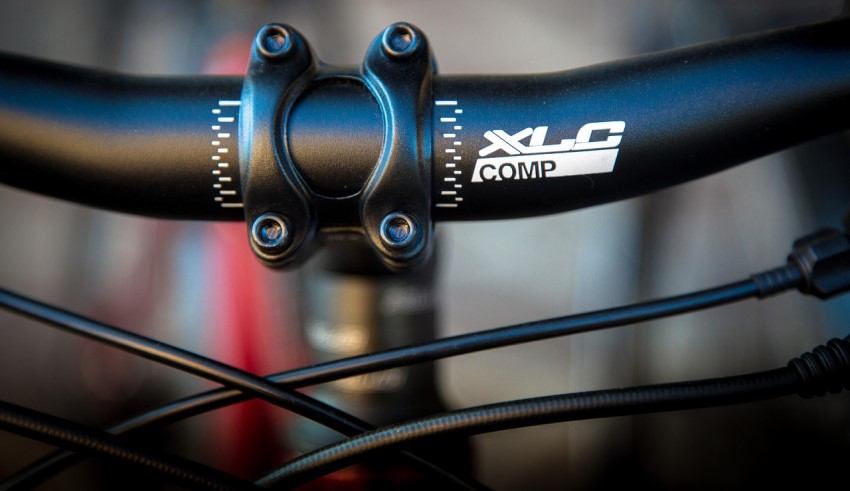
How does the distance between the saddle and the handlebars affect the saddle?
Once the saddle has been adjusted in height and setback, it is important to check the distance between the saddle and the handlebars, which directly influences the posture of the upper body. If the distance is incorrect, you can suffer:
- Neck and cervical pain.
- Numbness in arms and hands.
- Overload in the lumbar area.
In general, the distance between the saddle and the handlebars should be between 55 and 60 centimeters, although this may vary according to the type of bicycle (road, mountain, gravel, etc.) and the rider’s morphology. A practical way to know if the distance is correct is to rest your elbows on the tip of the saddle and see if your fingers reach the handlebars. If they do not, you may be too far away.
What happens if the saddle is incorrectly adjusted?
The consequences of a bad saddle position can be many, both in the short and long term:
- Low back pain (lumbago).
- Irritation in the perineal area.
- Knee injuries due to misalignment.
- Muscle decompensation in hips and legs.
- Reduced performance, feeling of fatigue.
Therefore, if you suffer from any of these symptoms, we recommend that you check all the adjustment parameters or have a professional bike fitting carried out.
Why have a professional biomechanical study?
While the above tips can help you achieve a more comfortable and healthy position, every body is unique. Factors such as flexibility, leg asymmetry, previous injuries and pedalling technique make a biomechanical study the most accurate option.
At STT Systems we recommend using technological tools such as our 2DMA software, specialised in kinematic analysis of the cyclist. This system allows you to evaluate the position in real time, correct imbalances and obtain a completely personalised fit.
Conclusion: improve your performance and avoid injuries
Knowing how to adjust your bike saddle correctly is key to your health and performance as a cyclist. By following these steps you will achieve a more efficient position, reduce the risk of injury and get more enjoyment out of every ride.
However, if you’re looking for optimal results and a truly custom fit, it’s best to go to a professional who uses biomechanical analysis technology. At STT Systems we provide you with the most advanced tools to help you get the most out of your bike.
More precision. More confidence. Fewer injuries.
2DMA is the tool that every bike fitting specialist needs to make a difference. Do you want to know how to integrate it into your practice or shop? Write to us and we will tell you all about it.
{ “@context”: “https://schema.org”, “@type”: “FAQPage”, “mainEntity”: [ { “@type”: “Question”, “name”: “Why is it important to adjust the saddle correctly?”, “acceptedAnswer”: { “@type”: “Answer”, “text”: “Adjusting the saddle correctly is not only a question of comfort, but also of health and performance. A poor fit can lead to: Lower back pain. Overloaded knees. Discomfort in the perineal area. Numbness in hands and arms. Premature muscle fatigue.” } }, { “@type”: “Question”, “name”: “What is the correct bicycle saddle height?”, “acceptedAnswer”: { “@type”: “Answer”, “text”: “The most reliable way to calculate saddle height is from your inseam measurement.” } }, { “@type”: “Question”, “name”: “How do you know if the saddle is forward or backward?”, “acceptedAnswer”: { “@type”: “Answer”, “text”: “The horizontal position of the saddle, also known as saddle setback, is another key factor.” } }, { “@type”: “Question”, “name”: “How does the distance between the saddle and the handlebars affect the saddle?”, “acceptedAnswer”: { “@type”: “Answer”, “text”: “Once the saddle has been adjusted in height and setback, it is important to check the distance between the saddle and the handlebars, which directly influences the posture of the upper body.” } }, { “@type”: “Question”, “name”: “What happens if the saddle is incorrectly adjusted?”, “acceptedAnswer”: { “@type”: “Answer”, “text”: “The consequences of a bad saddle position can be many, both in the short and long term: Low back pain (lumbago). Irritation in the perineal area. Knee injuries due to misalignment. Muscle decompensation in hips and legs. Reduced performance, feeling of fatigue.” } }, { “@type”: “Question”, “name”: “Why have a professional biomechanical study?”, “acceptedAnswer”: { “@type”: “Answer”, “text”: “While the above tips can help you achieve a more comfortable and healthy position, every body is unique. Factors such as flexibility, leg asymmetry, previous injuries and pedalling technique make a biomechanical study the most accurate option.” } } ] }